Must-Know for Flooring Shopping! Why Does PVC Flooring “Dominate” Traditional Flooring?
When it comes to home decor, flooring is a critical choice that impacts both aesthetics and daily functionality. In recent years, PVC flooring has emerged as a strong competitor to traditional options like wooden floors, tiles, and carpets. Let’s dive into a multi-dimensional comparison to see how they stack up.
1. Price: The Budget-Friendly Champion
Traditional flooring often comes with a hefty price tag. Solid wood floors range from $70-280+/㎡, with additional costs of $7–11/㎡ for keel installation. Laminate flooring, priced at $11–28/㎡, requires professional installation at $3–4/㎡. Tiles exhibit wide price variations: basic glazed tiles cost $7–21/㎡, while premium marble or imported tiles can exceed $42/㎡, plus laying fees of up to $14/㎡. High-end wool carpets are even more extravagant, ranging from $70–210/㎡, with frequent replacement costs adding to the expense.
PVC flooring stands out for its affordability: basic models start at $5-11/㎡, mid-range options average $14–21/㎡, and self-adhesive variants save$3–4/㎡
on installation costs.
2. Durability: Engineered for Longevity
Wood/Laminate: Prone to water damage, scratches, and wear, with lifespans ranging from 10–20 years.
Tiles: While hard, they are brittle and susceptible to cracks from impacts, with grout lines becoming traps for dirt and moisture.
Carpets: Collect dust, pet hair, and allergens easily, with visible wear and pilling reducing their lifespan to just 5–10 years.
PVC flooring features a 0.3–0.7mm wear-resistant layer, providing superior scratch and moisture resistance for 10–20 years. Its adaptability to both humid southern climates and dry northern environments makes it a robust choice for all regions.
3. Eco-Friendliness: Safe for Every Household
Traditional flooring options pose hidden risks:
Wood/Laminate: Formaldehyde emissions from adhesives and paints can compromise indoor air quality.
Tiles: Some ceramic tiles may contain radioactive additives during the firing process.
Carpets: Trapping dust mites, pet dander, and chemical residues, they exacerbate allergy concerns.
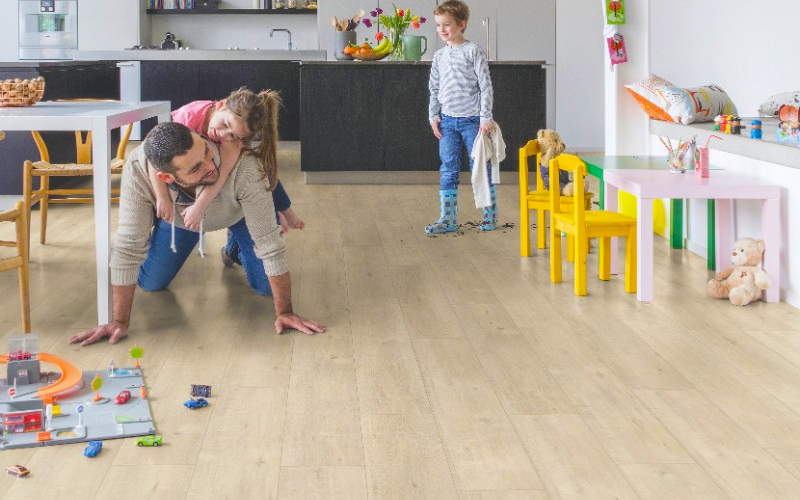
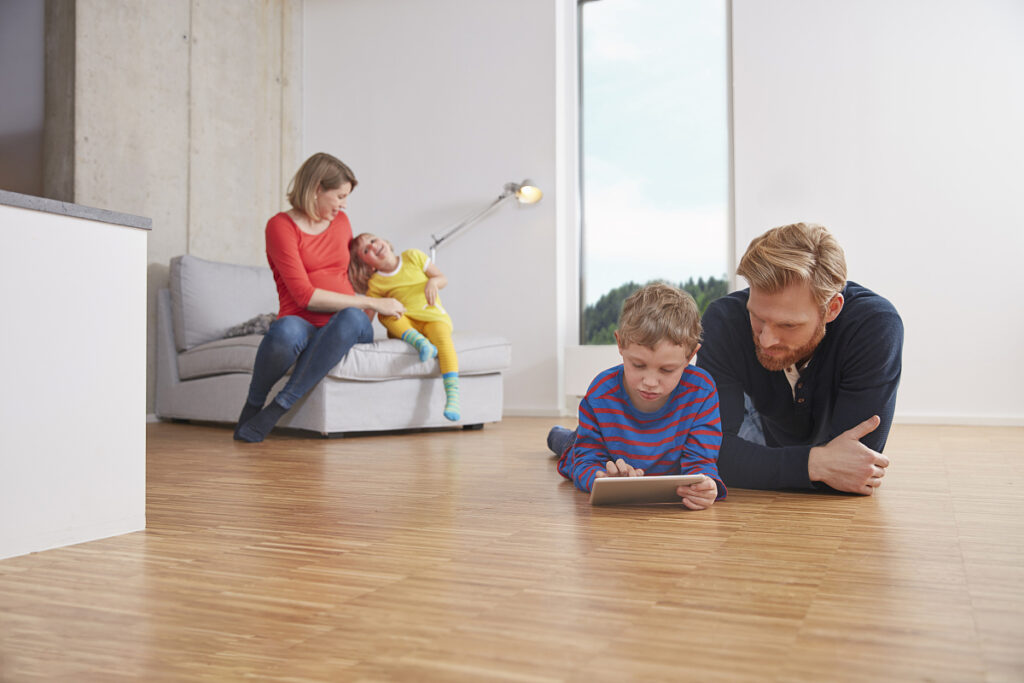
PVC flooring uses non-toxic polyvinyl chloride (PVC) and adheres to strict environmental standards, with near-zero formaldehyde emissions. This makes it an ideal choice for homes with children, elderly residents, or pets.
4. Installation & Maintenance: Effortless Simplicity
Traditional Flooring: Complex installation processes—such as floor leveling, keel laying, or professional tiling—can extend project timelines to 5–7 days. Maintenance requires regular waxing, polishing, and deep cleaning.
PVC Flooring: Installed in 1–2 days using self-adhesive or click-lock systems, requiring no specialized skills. Routine maintenance is as simple as damp mopping, with stubborn stains easily removed using a neutral detergent.
5. Aesthetics: Unmatched Design Versatility
Wood/Tiles/Carpets: Offer classic aesthetics but are limited in style flexibility (e.g., wood for rustic Nordic themes, tiles for modern minimalism).
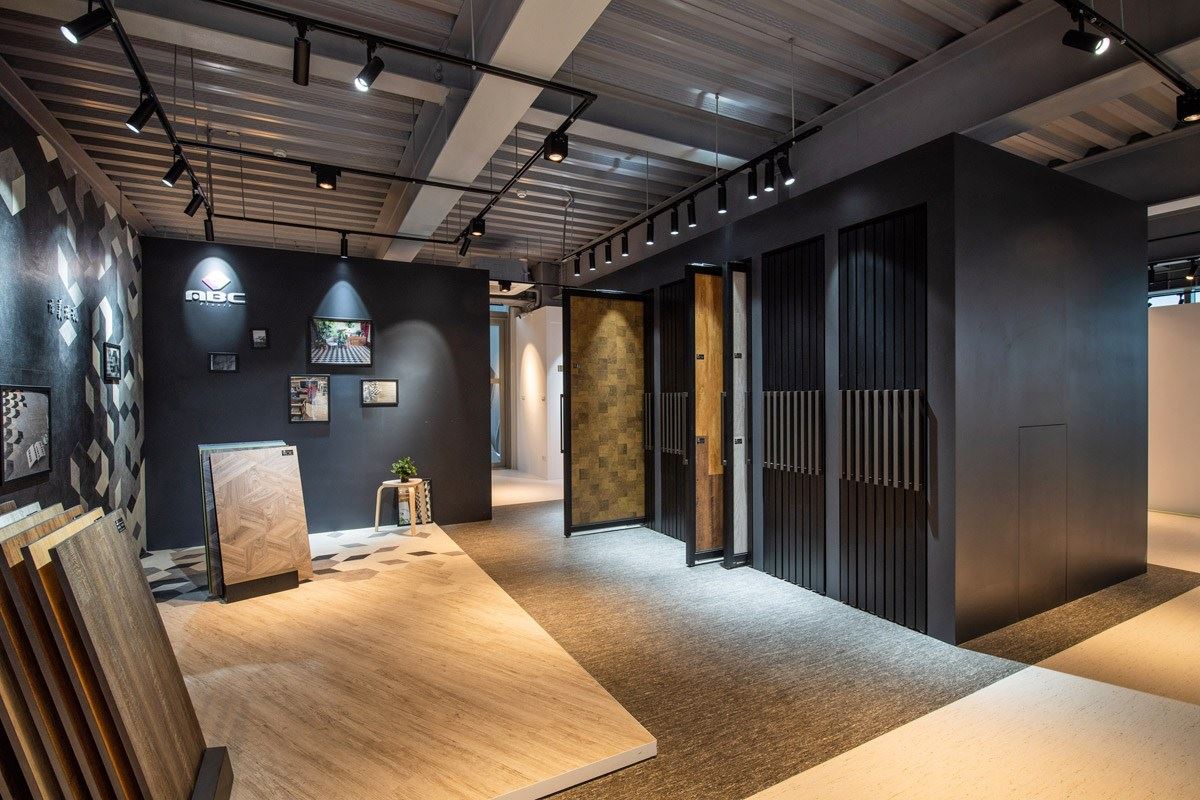
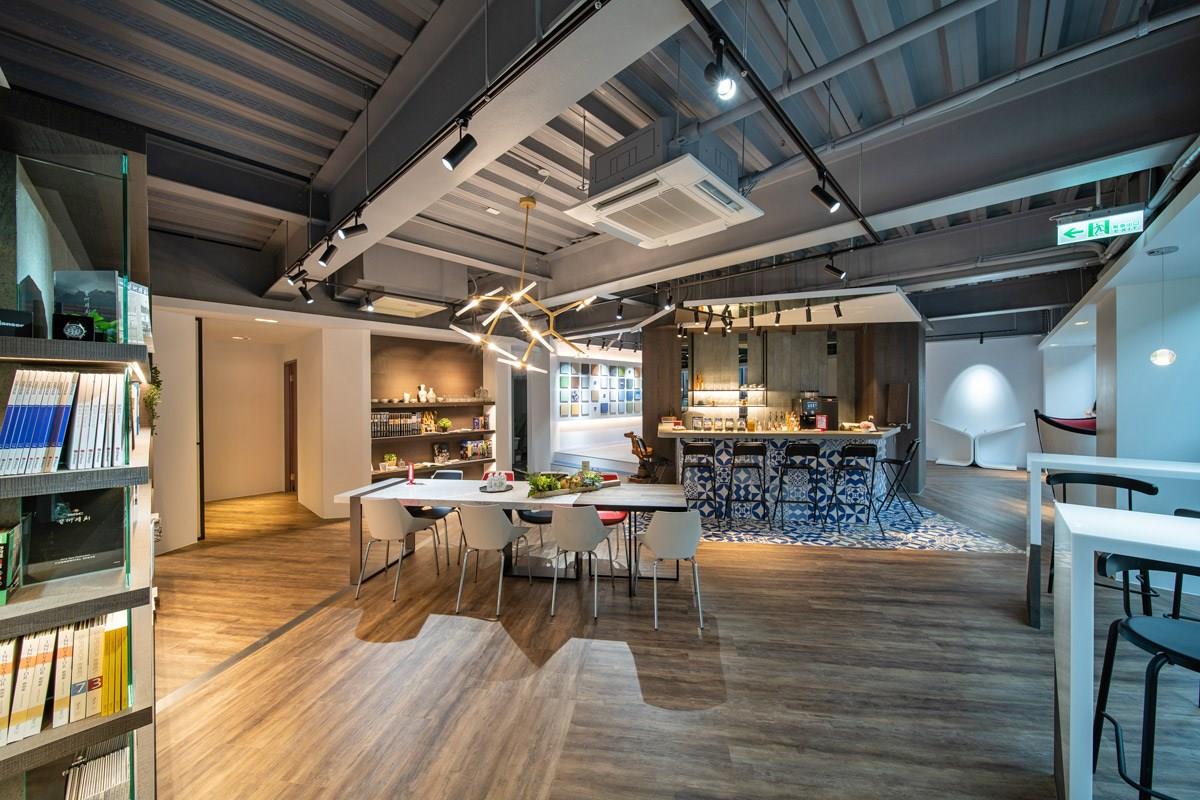
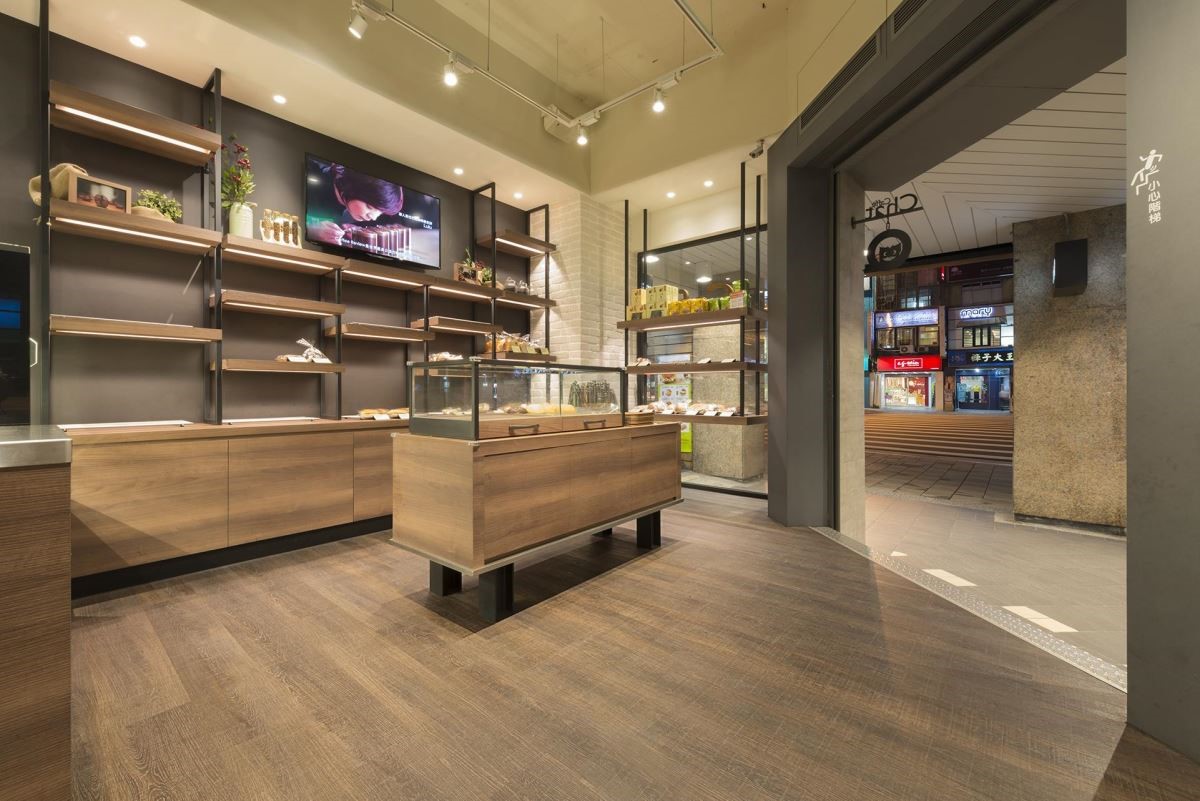
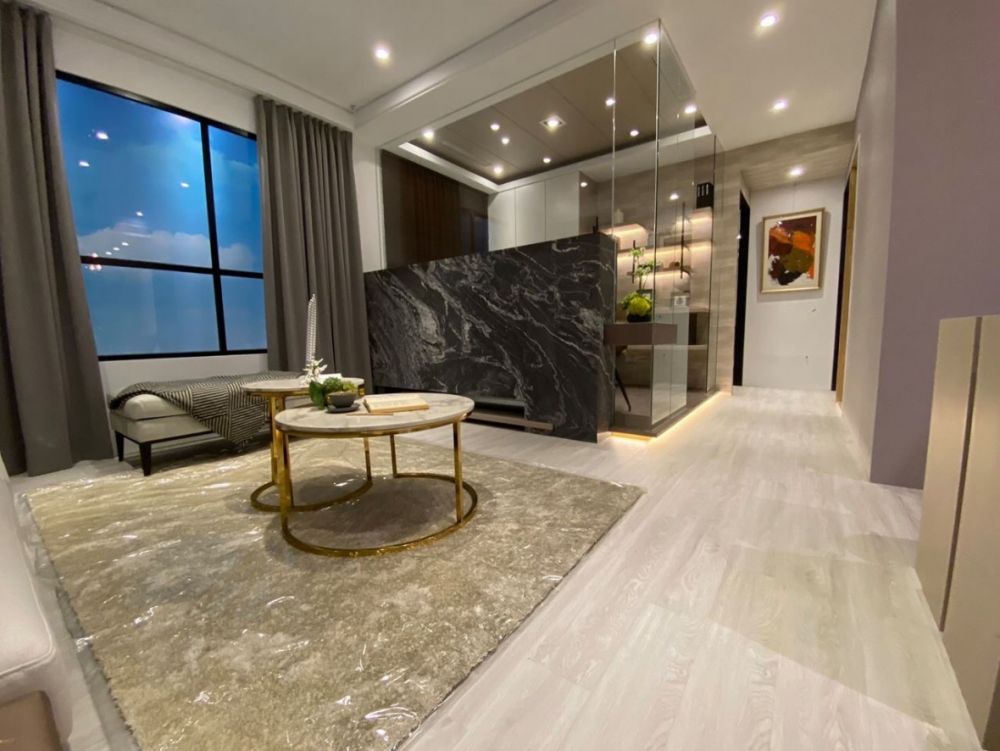
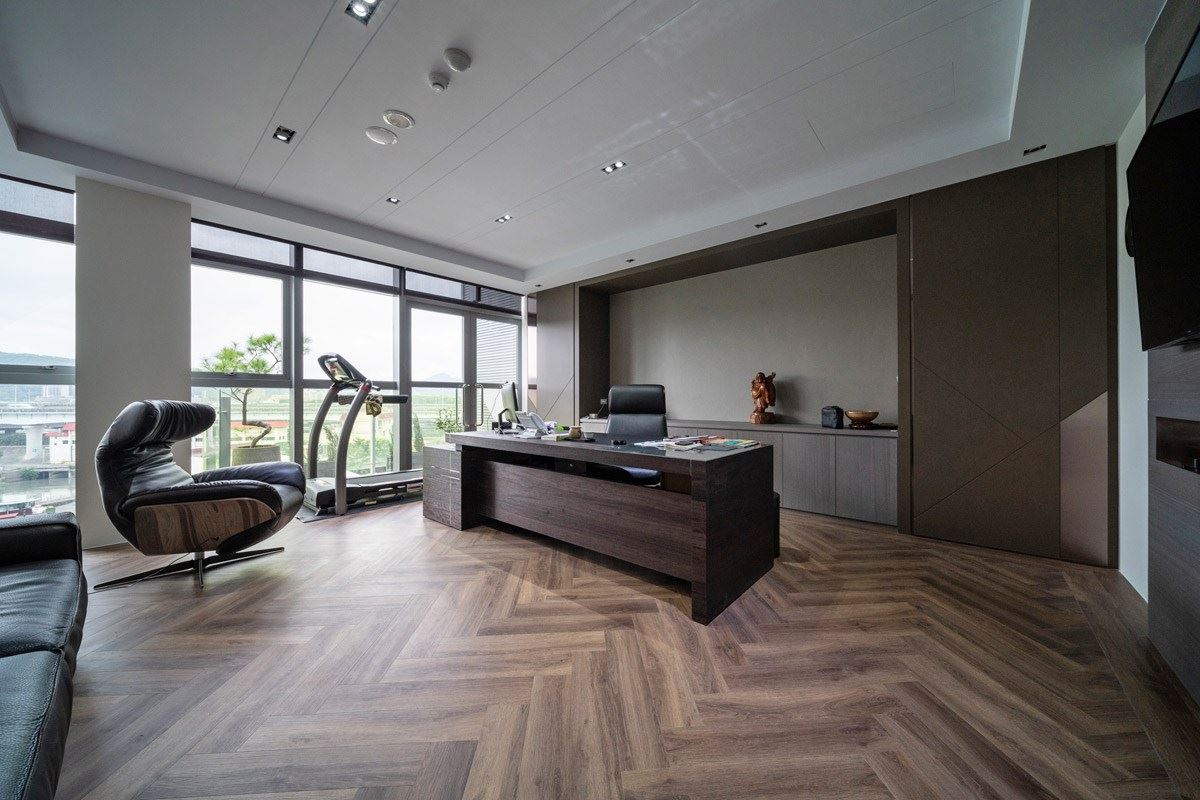
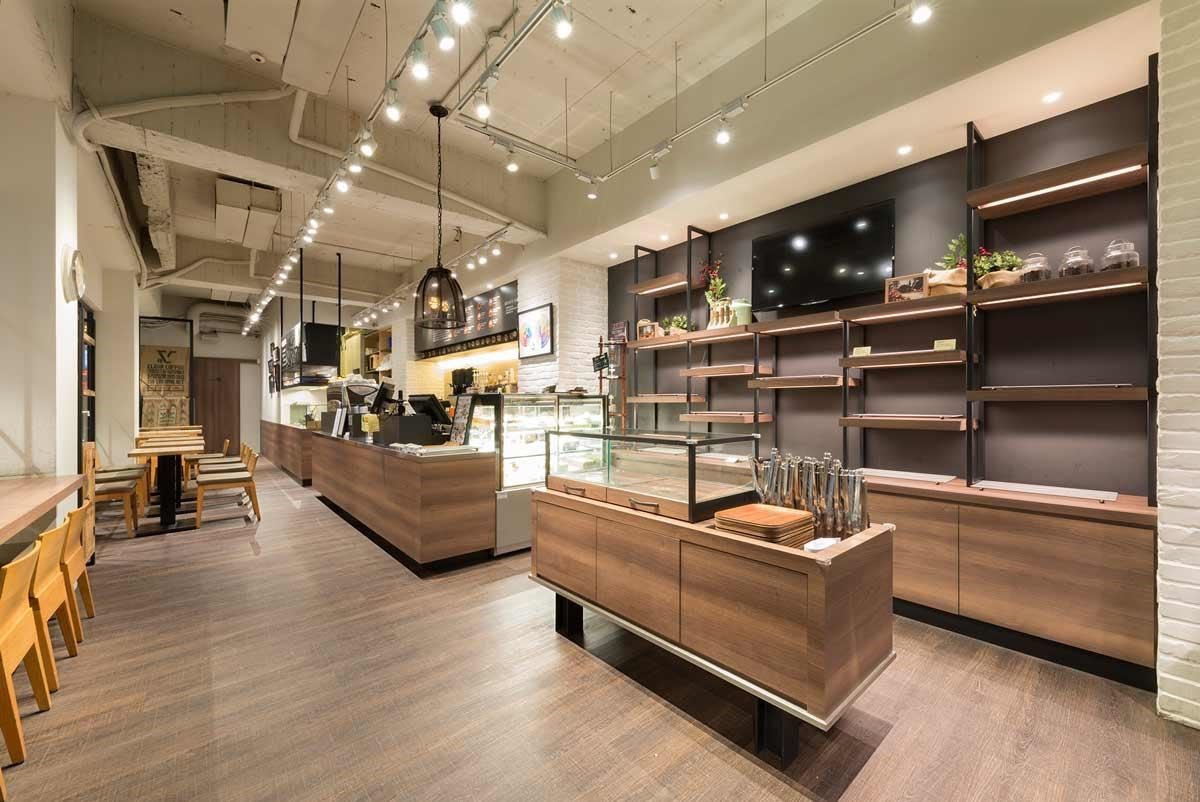
PVC Flooring: Leverages advanced 3D printing and embossing technologies to replicate wood grain, stone textures, or abstract patterns. With hundreds of color options, it adapts seamlessly to any design theme—from farmhouse chic to industrial sleek.
The Verdict
PVC flooring excels in cost-effectiveness, durability, eco-friendly, and ease of use, while offering design versatility that rivals traditional materials. While each flooring type has its specific applications, PVC stands out as the ultimate all-rounder for most residential and commercial spaces. Ready to elevate your space with a flooring solution that doesn’t compromise on performance or style?